







Running, cycling, yoga, lifting — no matter how you move your body, it needs nourishing foods for muscle recovery. Nuts, which are brimming with protein and healthy fats, are ready to lend a hand. Discover the best nuts for muscle health and delicious ways to add them to your post-exercise routine.
What You Consume After a Workout Matters
When your body's working hard, the constant exertion creates tiny tears in your muscles. Key macronutrients help your body heal naturally from the wear and tear, such as:
- Protein helps repair and build new muscles.
- Carbohydrates rebuild your glycogen stores and provide energy.
Mixed nuts are a great protein snack for recovery, giving your body the fuel it needs to recharge. You can combine a handful of nuts with fruit, Greek yogurt, or cut-up veggies for a well-rounded snack.
Athletes Love Plant-Based Fats
When you eat whole plants, you get clean, quality energy in the form of fiber, vitamins, minerals, and antioxidants. This makes plants some of the heaviest hitters when it comes to foods for muscle recovery.
Plant-based eating patterns help improve blood flow, reduce oxidative stress, and support muscle strength and endurance. You also tap into healthy fats that reduce bad cholesterol, improve heart health, and regulate blood sugar.
Good sources of plant-based fats include:
- Nuts (macadamia nuts, hazelnuts, pecans)
- Nut butters
- Seeds (chia, pumpkin, sunflower, flax)
- Avocados
- Olive
- Vegetable oils (olive, sunflower, canola, flaxseed)
Top 5 Nuts for Proper Muscle Recovery
The best way to support your health is to add a variety of nuts to your diet and enjoy their full range of benefits and flavors. You can't go wrong nibbling on most nuts after a grueling gym session or hike, but a few stand out when it comes to post-workout muscle recovery.
1. Walnuts (Omega-3s)
Walnuts are brimming with omega-3 fatty acids and offer plenty of benefits if you're working out. They help to:
-
Improve oxygen flow to your hard-working muscles
-
Reduce inflammation to ease muscle soreness
This crinkly-looking nut also has significant amounts of alpha-linolenic acid (ALA), a specific type of omega-3 fatty acid. ALA is associated with reduced muscle damage and inflammation and may help speed recovery.
To add walnuts to your diet:
- Reach for Nature's Garden's Cranberry Health Mix, which features walnuts in a starring role.
- Mix crushed walnuts into your favourite banana bread or muffin batter.
- Sprinkle chopped walnuts over roasted veggies.
2. Almonds (Vitamin E)
Almonds are top of the class when it comes to vitamin E, providing almost half of the Daily Value in a 1-ounce serving. This vitamin helps ease oxidative stress and protects against muscle damage caused by exercise.
To add almonds to your diet:
- Snag a pack of Nature's Garden's Keto Snack Mix, where almonds mingle with pecans, macadamia nuts, pepitas, and dried cheddar puffs.
- Blend a handful of almonds into your favorite smoothie for a subtle nutty flavor.
- Add almonds to a salad featuring kale, sliced pears, goat cheese, and your favorite vinaigrette.
3. Cashews (Magnesium)
Cashews are a great source of magnesium. One ounce of these crescent-shaped nuts delivers about 18% of the Daily Value. Getting plenty of magnesium is vital, as the mineral supports 300 different chemical reactions in your body.
Magnesium is used to create and store energy, keep your heart working properly, produce protein, and support muscle movement. This busy mineral can also slow muscle soreness after a tough workout.
To add cashews to your diet:
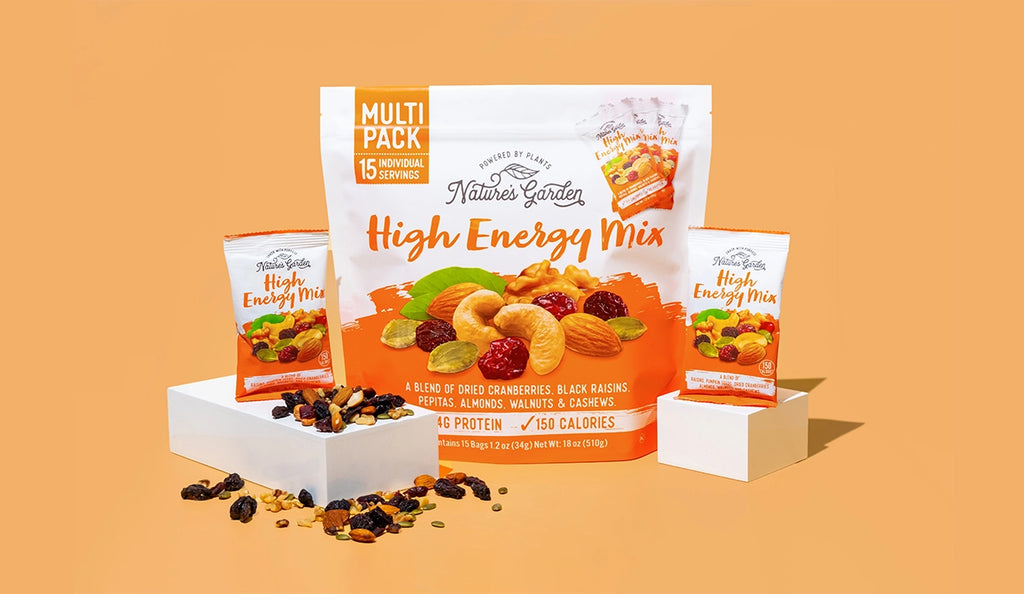
- Munch on Nature's Garden's High Energy Mix, a cheerful medley of cashews, walnuts, almonds, cranberries, black raisins, and pepitas.
- Toss cashews into a vegetable stir-fry for a satisfying crunch.
- Scatter chopped cashews on top of a quinoa bowl with sweet potatoes and peppers.
- 4. Brazil Nuts (Selenium)
Brazil nuts are one of the top nuts for muscle recovery. A single Brazil nut contains about twice the daily requirement of selenium. This trace mineral powers the selenoproteins in your body, which help reduce muscle fatigue and keep muscles strong and healthy as you age.
As your body only needs selenium in small amounts, you don't need to eat many Brazil nuts to enjoy their benefits. Nature's Garden's Heart Healthy Mix is a great way to fit the nut into your day, as it shares the spotlight with walnuts, almonds, hazelnuts, pumpkin seeds, and cranberries.
5. Pistachios (Protein)
Pistachios are considered a complete protein, containing all nine essential amino acids. This clean, plant-based protein source is an ideal nut for muscle recovery. One study found that eating pistachios for a couple of weeks prior to exercise and during recovery helped relieve muscle soreness.
To add pistachios to your diet:
- Stock your pantry with our Probiotic Immune Snack Packs, which contain pistachios, cashews, almonds, walnuts, and hazelnuts.
- Nibble on this flavorful trail mix straight up or layer it into a yogurt parfait.
- Use crushed pistachios as a delicious crust for fish or chicken.
Why Nature's Garden Can Help After a Workout
Crafted with simple, wholesome ingredients, Nature's Garden innovative trail mixes and fruit snacks are a smart way to replenish energy and promote post-workout muscle recovery. Made for busy lifestyles, they're packaged into individual servings for on-the-go snacking. Keep your body performing at its peak with our full collection of functional snacks.

Can Eating Nuts After a Workout Help With Muscle Recovery?
Can Eating Nuts After a Workout Help With Muscle Recovery?
Is There a Limit to How Many Nuts I Should Eat After a Workout?
Is There a Limit to How Many Nuts I Should Eat After a Workout?
Can Nature's Garden's Trail Mix Be Used With Other Meals?
Can Nature's Garden's Trail Mix Be Used With Other Meals?