




If your gut could talk, it probably wouldn't ask for a giant plate of nachos or a hot dog smothered in relish. It would want a steady stream of small, satisfying bites. Micro-snacking is a gut-friendly way to keep your digestive system moving. Let's dig into how micro-snacking can help you feel balanced all day long.
Introducing Micro-Snacking: Small Bites, Big Advantages
Micro-snacking is when you eat small portions of food throughout the day instead of having three heavy meals. For example, instead of having a sandwich, a side of chips, and a piece of fruit for lunch, you might have a hard-boiled egg and bell pepper strips at 10 a.m. and a serving of Greek yogurt with berries at noon.
The goal isn't to snack mindlessly; it's to ensure you're consuming the right balance of nutrients without overdoing it on calories, cholesterol, and saturated fats. Eating smaller portions throughout the day also has digestive benefits. According to researchers from Duke University, eating too much and too often can cause a "traffic jam" in the body. Reducing portion sizes helps clear this jam, allowing your digestive system to function better.
What Really Happens in Your Gut
Many people think of the gut as a food processor, but it's actually a microbiome. That means you have billions of bacteria responsible for breaking down food, supporting your immune system, and helping your body absorb nutrients.
When you eat a heavy meal, your digestive system has to work much harder. The organs in your abdomen have to produce extra hormones and enzymes, increasing the risk of metabolic disorders. Eating heavy meals can also cause abdominal discomfort, acid reflux, and bloating. Small, spaced-out snacks don't put the same amount of strain on your body. Your digestive tract has time to rest between snacks, ensuring it can work efficiently when you eat again.
Why Micro-Snacking Is a Win for Your Gut
Bacteria in your gut microbiome feed on dietary fibers known as prebiotics. These organisms thrive when they receive prebiotics throughout the day.
Building a Steady Stream of Prebiotics
If you eat two or three times per day, your gut gets two or three doses of prebiotics. That's better than nothing, but it's not as many as it could be getting with micro-snacking for gut health. When you eat nutritious snacks throughout the day, your body gets a consistent trickle of prebiotics.
The Dream Team Powering Gut-Friendly Snacks
Remember, micro-snacking isn't about grabbing handfuls of chips or grazing on whatever you have in your pantry. It's about making smart nutrition choices to support your body. Finding the right balance comes down to choosing snacks with fiber, healthy fats, and protein. This heroic trio nourishes your gut and keeps you feeling full.
Fiber: The MVP of the Digestive System
When you consume fiber, your gut breaks it down by fermenting it. This process produces short-chain fatty acids and other beneficial molecules, reducing inflammation, promoting the growth of healthy bacteria, and strengthening the gut barrier. Fiber also helps you feel full after eating, making it less likely that you'll overeat later.
Examples of fiber-rich foods include:
- Beans
- Legumes
- Vegetables
- Chia seeds
- Almonds
Healthy Fats: Smooth Operators
Healthy fats help maintain the intestinal barrier, which separates the gut lumen from the rest of your body. The lumen is where your digestive system absorbs nutrients, so it's important to keep it healthy.
The key is choosing the right fats. Saturated fats promote weight gain and increase the risk of heart disease. Red meat, cheese, butter, and palm oil all have high amounts of saturated fat. The best fats for your gut are unsaturated, meaning they have fewer hydrogen atoms than the saturated variety. Due to the differences in chemical structure, unsaturated fats are liquid at room temperature.
These foods are rich in healthy fats:
- Avocados
- Olive oil
- Pumpkin seeds
- Walnuts
- Fish
Protein: The Hero That Helps You Feel Full
When you eat foods containing protein, your digestive system breaks the protein molecules into their basic building blocks: amino acids. These substances influence the composition of your gut microbiome, so micro-snacking on protein-rich foods can help you avoid dysbiosis, an imbalance of healthy bacteria and harmful bacteria.
Protein also helps you feel full, strengthens the immune system, and builds muscle, making it an essential component of a balanced diet. If you need more protein, try these foods:
- Beans
- Lentils
- Edamame
- Soy nuts
- Tofu
- Eggs
- Chicken
Snack Smarter With Nature's Garden by Your Side
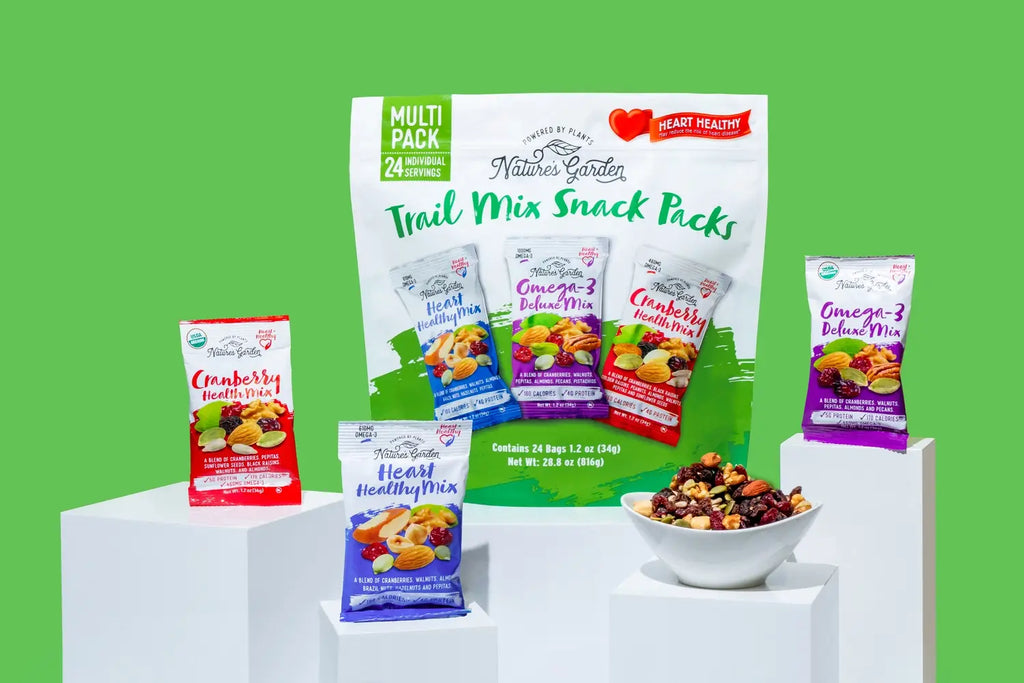
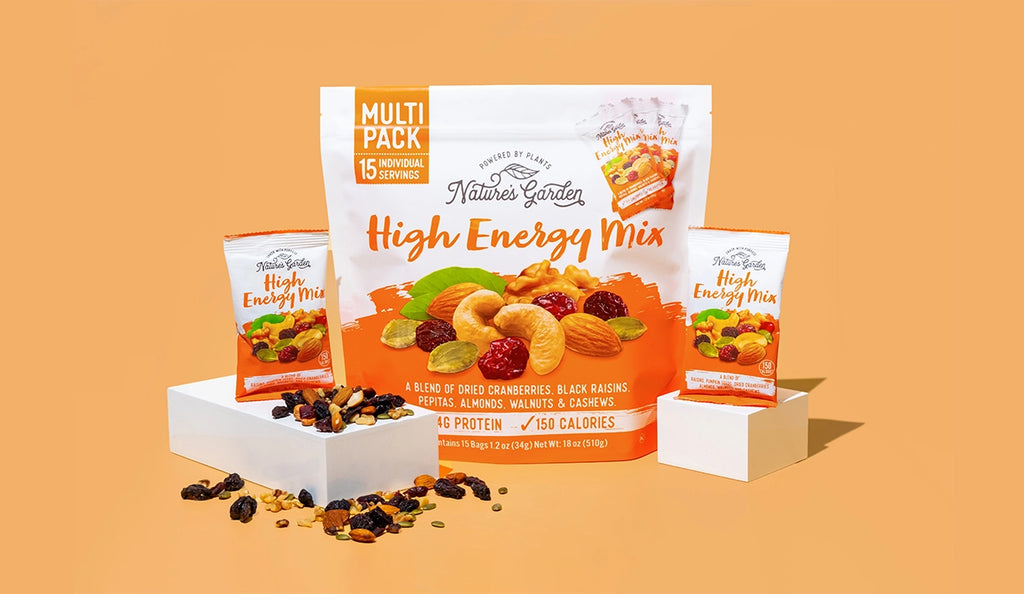
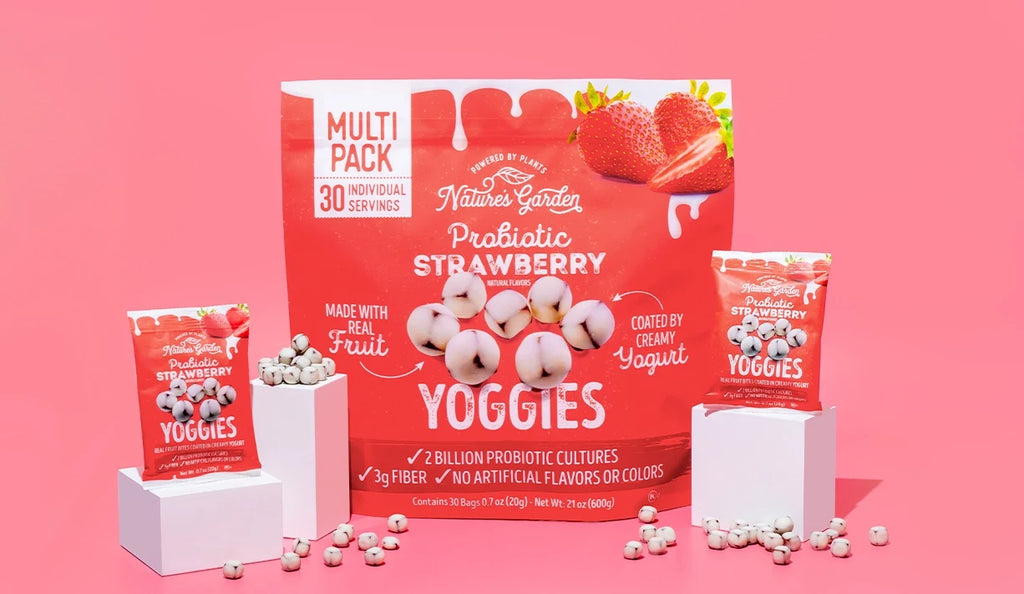
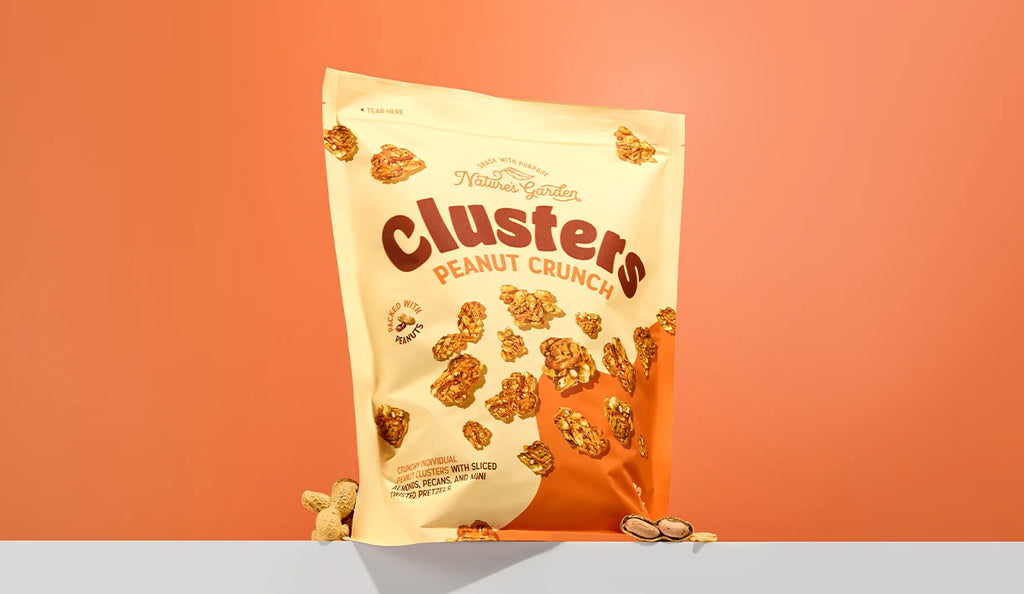
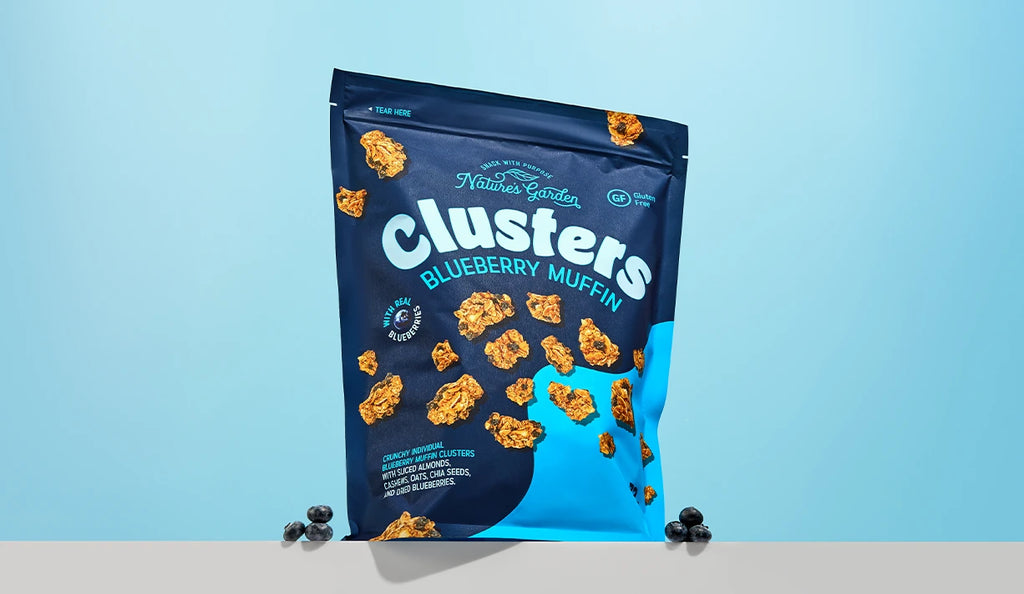
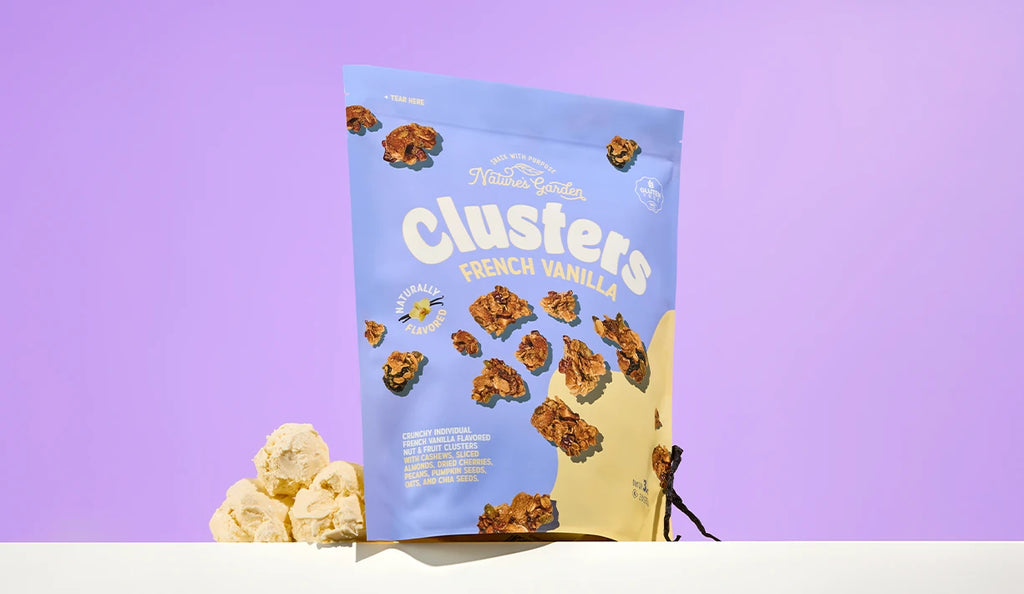
Micro-snacking has many benefits, but it's not always easy to make smart snack choices, especially when you're juggling work, family, and household responsibilities. Nature's Garden is here to make it easier. We have trail mixes, probiotic fruit snacks, and granola clusters packed with protein, fiber, and other good-for-you ingredients.
Grab a pack of trail mix or FruiChias for a gut-friendly snack in just the right portion.

What Is Micro-snacking, and How Does It Benefit Gut Health?
What Is Micro-snacking, and How Does It Benefit Gut Health?
What Are the Best Probiotic Snacks for a Healthy Microbiome?
What Are the Best Probiotic Snacks for a Healthy Microbiome?
Why Is Micro-snacking Better for Digestion Than Large Meals?
Why Is Micro-snacking Better for Digestion Than Large Meals?