





Seeds pack far more nutrition than their tiny size suggests. Loaded with plant based protein, healthy fats, fiber, and essential minerals, they’re an easy way to boost the nutrient content of your meals without much effort. If you’re building a protein-rich diet or looking for more plant based protein sources, adding seeds can make a major difference. They’re versatile, pantry friendly, and simple to add to everything from smoothies to salads.
Let’s break down why seeds are naturally high in protein and explore the best types to get more protein into your daily routine.
How Are Seeds High in Protein?
Seeds become plants, so they’re naturally full of the nutrients needed for growth. That includes protein. Much of the protein in seeds comes from the structures that support germination and early development. Those proteins contain essential amino acids that your body needs for muscle repair, energy, and overall wellness.
Unlike some plant foods that rely heavily on carbohydrates, seeds tend to offer a balance of protein, healthy fats, and fiber. This combination helps keep you full, supports stable energy, and adds staying power to meals. Whether you’re eating plant based or simply looking to increase your protein intake, seeds can help you hit your goals with very little prep.
Top Seeds for a Protein-Based Diet
Not all seeds contain the same amount of protein. The ones below are among the most nutritious and protein dense.
Hemp Seeds
Hemp seeds are one of the highest protein seeds available. A small serving packs around 9 to 10 grams of protein, which makes them especially useful in plant based diets. Hemp seeds also contain omega-3 and omega-6 fatty acids, magnesium, and zinc. Their mild, nutty flavor blends well into smoothies, oatmeal, and baked goods.
Pumpkin Seeds
Pumpkin seeds deliver roughly 7 grams of protein per ounce and offer an impressive mineral profile, including iron, magnesium, and zinc. They make a satisfying snack on their own but also add great crunch to salads, grain bowls, and yogurt. Their balance of protein and healthy fats helps keep hunger in check.
Chia Seeds
Chia seeds provide about 5 grams of protein per serving and are well known for their high fiber content. They absorb liquid and form a gel, making them great for chia pudding, overnight oats, and smoothies. Along with protein, chia seeds supply omega-3 fatty acids, calcium, and antioxidants.
Flaxseeds
Flaxseeds contain around 4 to 5 grams of protein per serving, along with one of the highest plant based sources of alpha-linolenic acid, a form of omega-3 fatty acid. They’re also rich in lignans, a type of antioxidant. Ground flaxseed is especially easy to add to oatmeal, smoothies, yogurt, and baked recipes.
Sunflower Seeds
Sunflower seeds offer roughly 5 to 6 grams of protein per ounce plus vitamin E, selenium, and healthy fats. They bring a toasty flavor and crunchy texture to salads, trail mixes, and baked goods. Sunflower seeds are also an easy, satisfying snack that fits well in protein-rich diets.
How Else Are Seeds Healthy?
Protein is only part of the story. Seeds contain other nutrients that make them valuable for daily health.
Fiber supports digestion, helps maintain steady blood sugar, and contributes to a feeling of fullness. Many seeds—such as chia, flaxseed, and pumpkin seeds—offer both soluble and insoluble fiber.
Healthy fats, especially the omega fatty acids found in hemp, chia, and flax, help support heart health, brain health, and hormone balance.
Micronutrients such as zinc, magnesium, selenium, and vitamin E help your body repair cells, support your immune system, and maintain long-term wellness.
Because seeds contain both antioxidants and anti-inflammatory compounds, they can also help protect your cells from oxidative stress.
Together, these nutrients make seeds a simple, nutrient-dense way to elevate your meals.
Nature’s Garden Knows Seeds
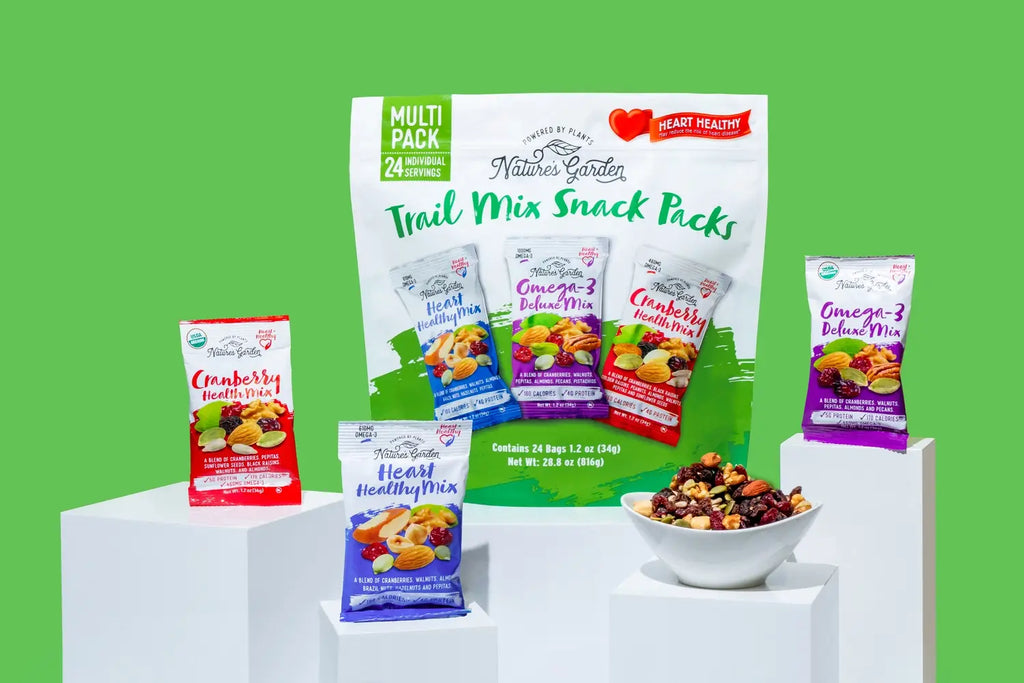
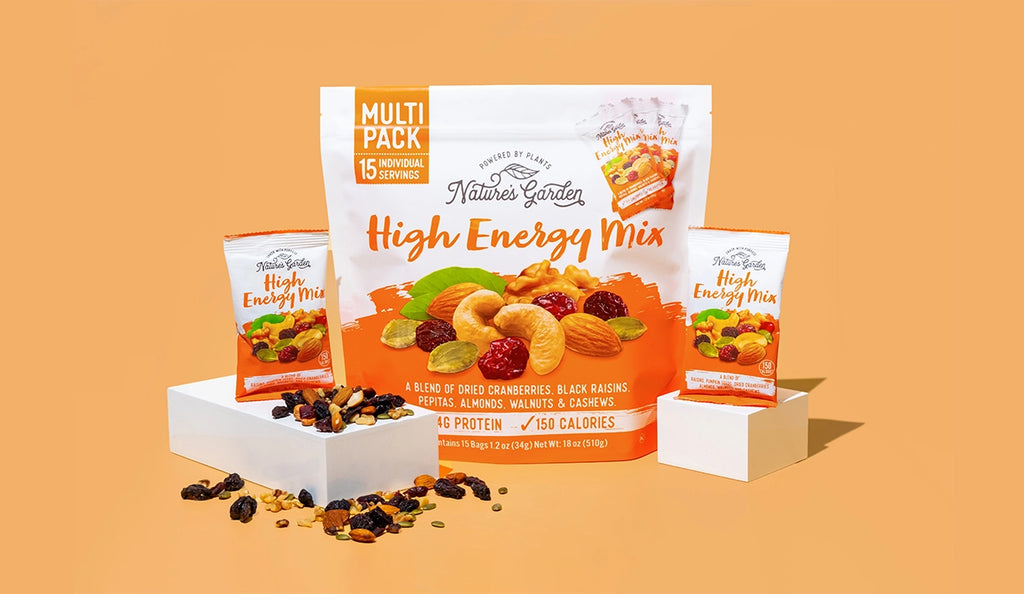
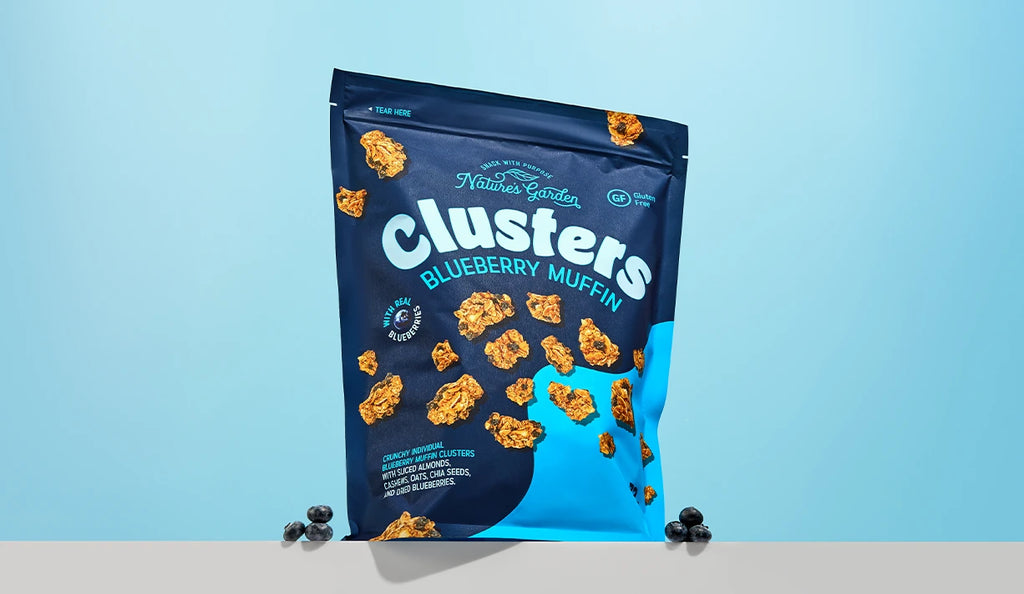
Nature’s Garden offers a wide selection of seed-based snacks and blends designed to make healthy eating convenient. Whether you’re looking for chia seeds, pumpkin seeds, sunflower seeds, or mixed seed varieties, you’ll find options that support your protein-focused goals.
Our seed mixes pair well with yogurt, smoothies, salads, and breakfast bowls. They store easily in the pantry or at your desk, so it’s simple to add plant based protein throughout your day. If you want to boost protein intake with foods that also deliver healthy fats, fiber, and key micronutrients, keeping seeds from Nature’s Garden on hand makes everyday snacking more nutritious.

Can seeds replace meat as a complete protein source in a vegan diet?
Can seeds replace meat as a complete protein source in a vegan diet?
How many seeds should I eat daily to boost my protein intake?
How many seeds should I eat daily to boost my protein intake?
How should I store seeds?
How should I store seeds?